First-Light Experience with the William Optics RedCat 71
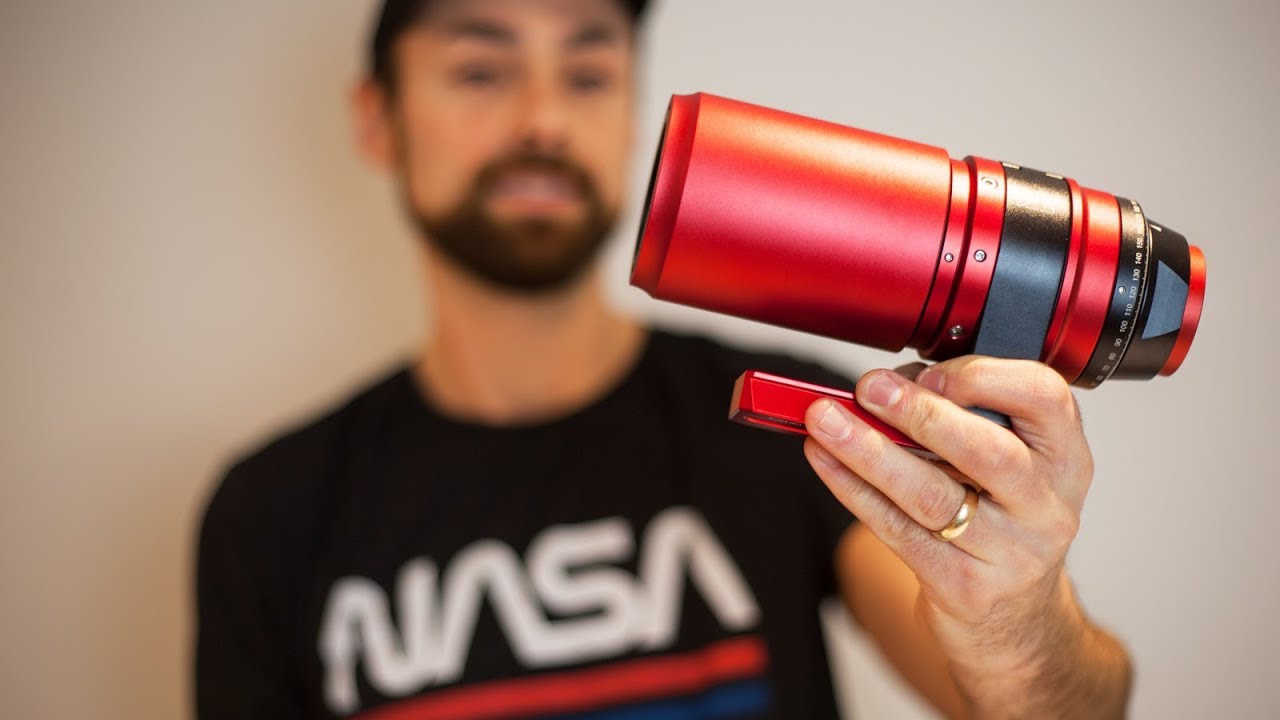
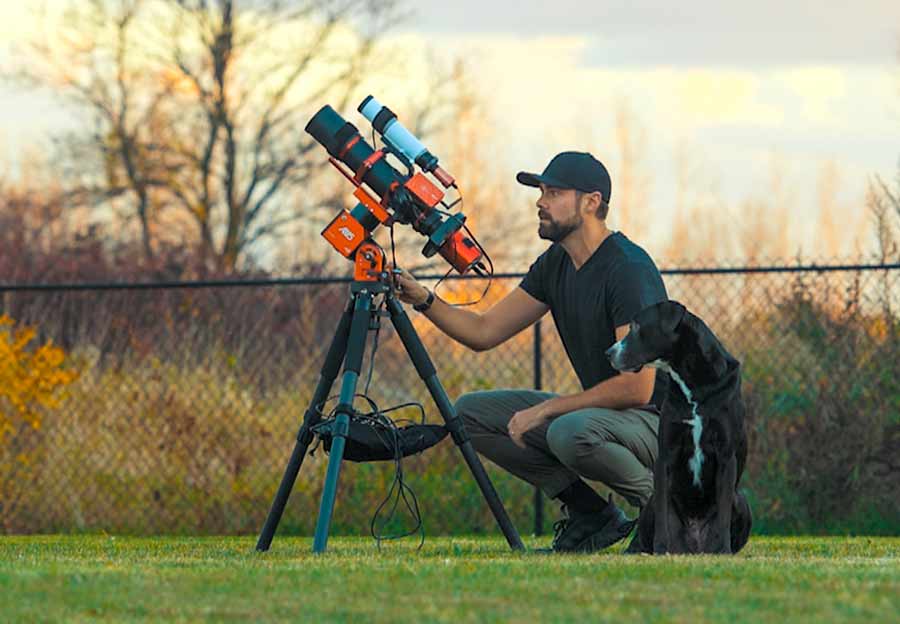
The William Optics RedCat 71 represents the next step forward in the evolution of the RedCat series, offering greater reach, improved optical illumination, and a noticeably more capable imaging platform compared to the smaller 51 mm model. This first-light session highlights what it feels like to take the RedCat 71 out under the night sky for the very first time, from setup to initial star tests and early deep-sky exposures.
What immediately stands out is how the RedCat 71 balances a larger 71 mm aperture with the familiar portability the RedCat line is known for. The telescope feels solid and well-engineered, yet still compact enough for travel setups and lightweight harmonic mounts. Once mounted and pointed at the sky, the scope delivers a sense of precision—smooth focusing, stable mechanics, and excellent overall handling.
Optically, the RedCat 71 shows clear advantages over the earlier models. The 350 mm focal length provides a tighter, more detailed view of nebula structures and dense star fields, making it ideal for popular targets such as the Rosette Nebula, Orion’s complex emission regions, or the Cygnus star clouds. The Petzval design produces a naturally flat field, eliminating the need for external flatteners or spacing adjustments. Stars remain impressively round and controlled from corner to corner, even on large APS-C and full-frame sensors.
During the first-light test, star quality is often the most telling indicator of optical performance, and the RedCat 71 delivers crisp, sharp points with minimal chromatic aberration. The scope offers excellent color correction, high contrast, and a generous image circle, allowing astrophotographers to confidently frame wide scenes without worrying about edge defects or vignetting.
The RedCat 71 also benefits from its robust dual focusing system, allowing both fine manual adjustments and compatibility with popular electronic focusers. This makes achieving perfect focus far easier, particularly for long imaging sessions or automated workflows. Balance on the mount is straightforward, and the telescope maintains rigidity even when carrying heavier cameras and filter wheels.
In actual field use, the RedCat 71 proves to be a reliable and enjoyable imaging instrument. Despite its increased aperture and longer focal length, it remains easy to set up and tune. The improved reach gives deep-sky objects more structure and detail, while still preserving the wide-field aesthetic that makes the RedCat series so popular among astrophotographers.
Overall, the first-light experience with the William Optics RedCat 71 demonstrates a well-rounded astrograph that blends optical refinement, mechanical quality, and practical usability. It serves as a powerful upgrade for users of the RedCat 51—and a compelling option for anyone seeking a portable refractor capable of delivering professional-grade wide-field images.