Peter Zelinka 於 2014 年因一次 DSLR 的購買踏入天文攝影,並逐步將這份熱情發展為全職志業。他記錄了自己從 IT 技術人員、長途旅行冒險者,到教學創作者的轉變歷程,並透過線上教學與實地課程,指引數以千計的學員進入夜空攝影的世界。
他的教學以清楚且可實作的流程為核心,涵蓋器材選擇、星體追蹤與後製處理等關鍵環節;同時也透過實地工作坊,帶領學員前往偏遠的暗空地點,在沉浸式的拍攝環境中累積實戰經驗。結合冒險背景與長期教育推廣,Peter 鼓勵無論新手或資深拍攝者,都能以自信且富創意的方式探索宇宙。
天文攝影師暨自然攝影師
工作坊講師與教育者(Deep Space Course、星軌追蹤教學)
探險式教學講師與內容創作者
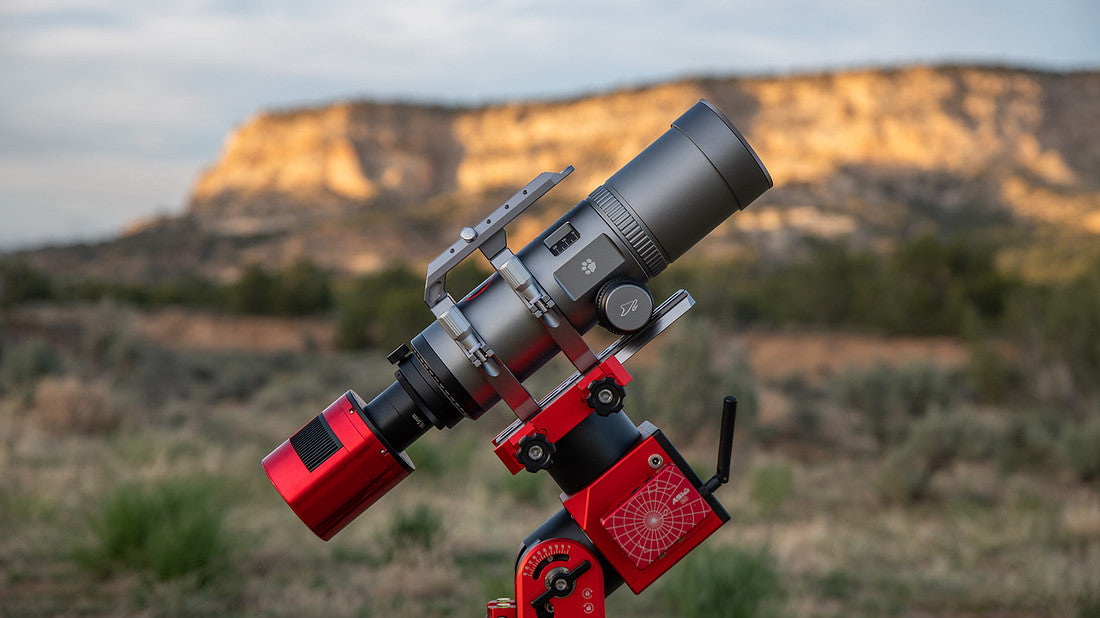
William Optics SpaceCat 61mm Review
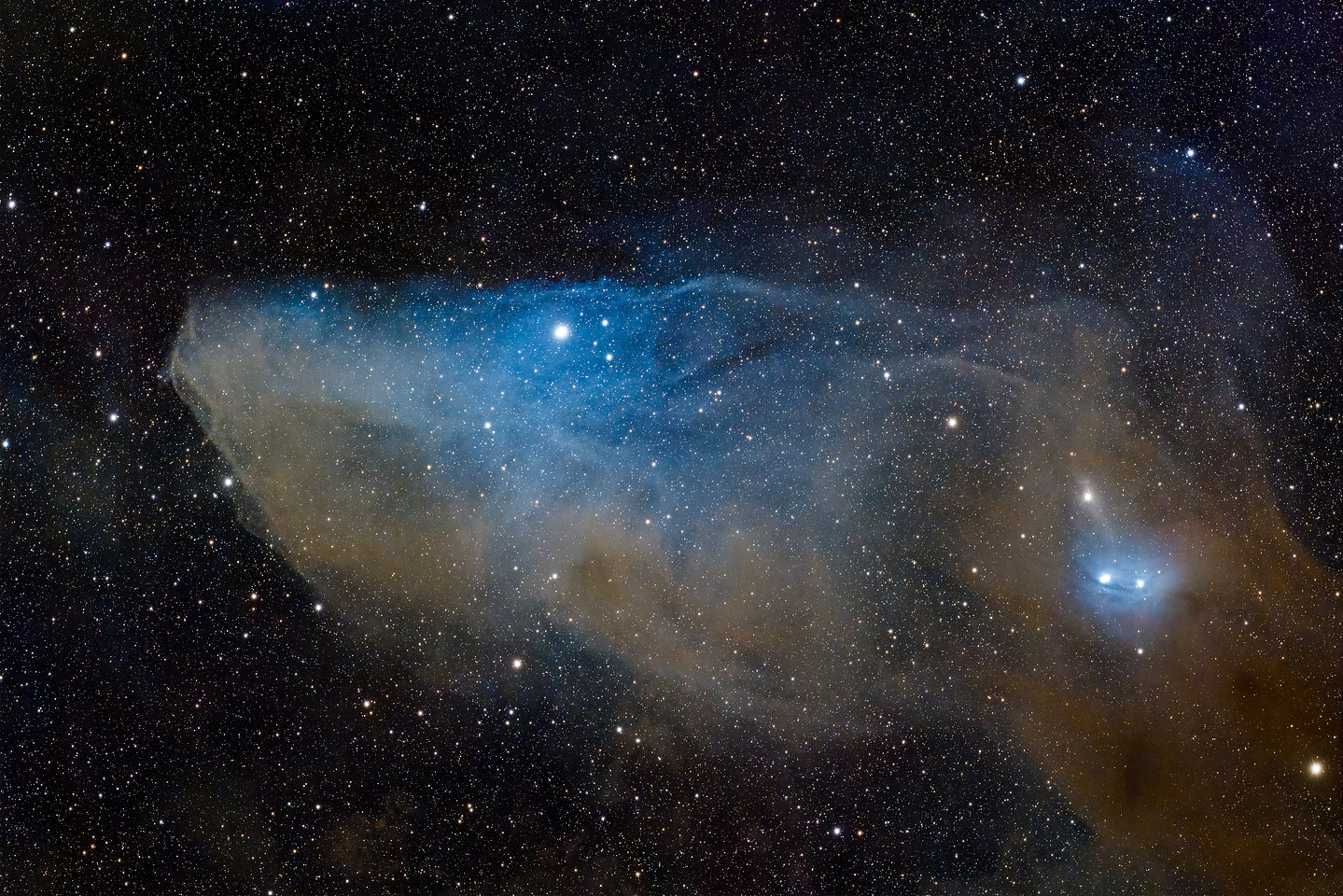
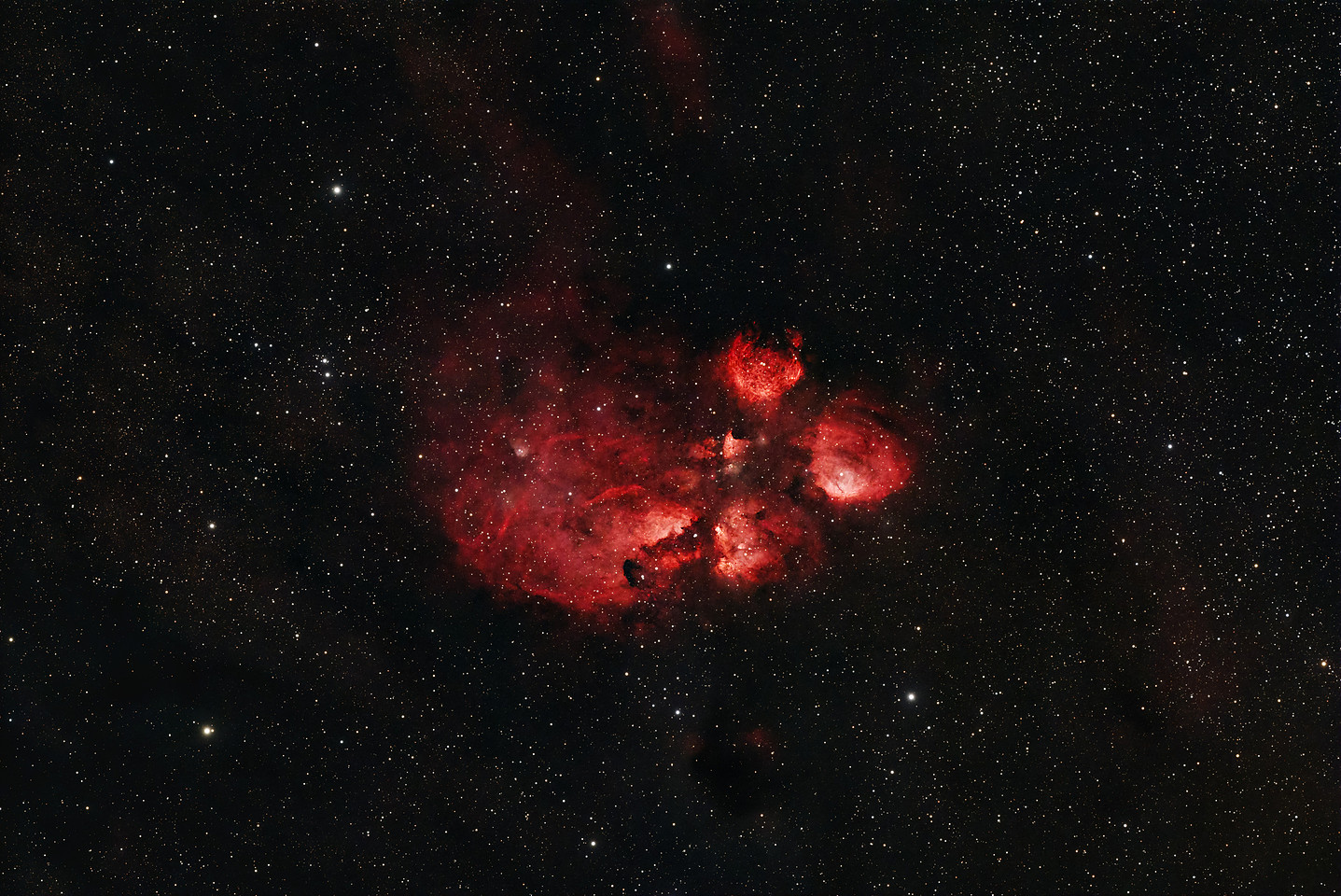
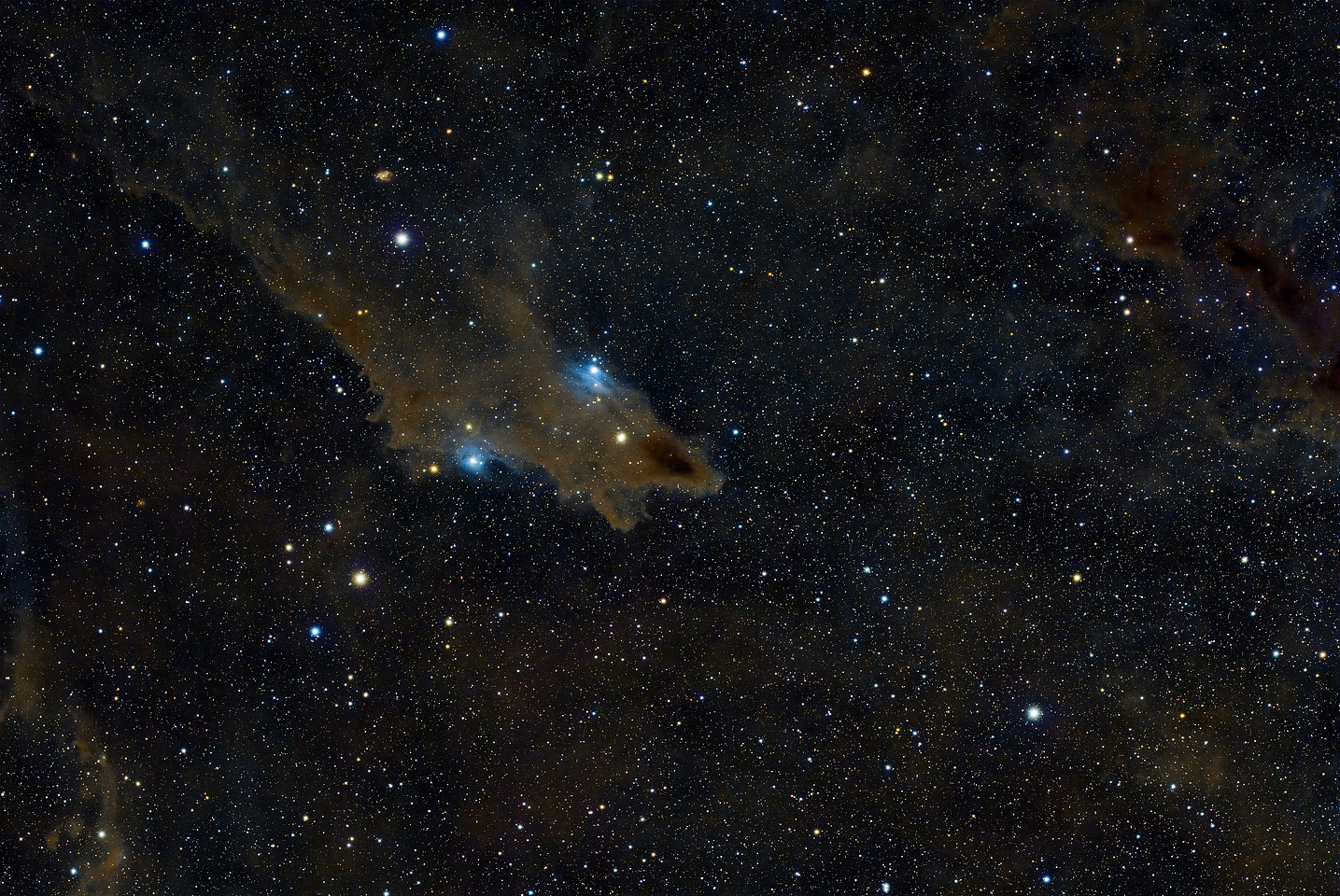
Over the past 5 years I've been using the SpaceCat 51mm telescope for most of my deep space imagery. The wide field of view allows me to capture large regions of space, and showcase the phenomenal dust and nebulosity throughout the cosmos. Earlier this year, William Optics reached out to me and offered to send a SpaceCat 61mm telescope for review. Since I am a big fan of the original SpaceCat 51mm, I agreed to test it out and write a review.
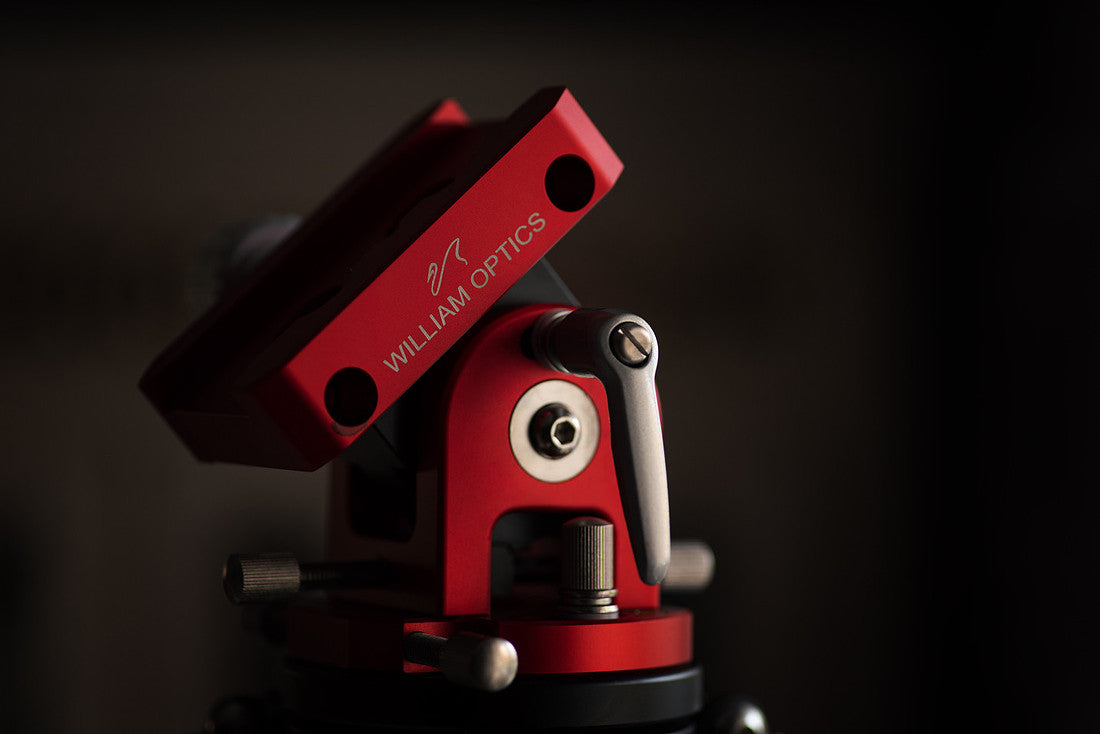
William Optics High Latitude Base Review
While I was reviewing the Space Cat, AgenaAstro was kind enough to send me a William Optics Latitude Base to test out. This base comes in two different configurations – High Latitude (32-59) and Low Latitude (7-34). You should choose the base depending on your shooting location. For example, I normally take my photos in North America, which ranges from roughly 30 N to 45 N. Therefore, the High Latitude base works well for me. However, if you live closer to the equator, you should consider the Low Latitude base instead.
Before I get into the main review, I want to touch on the default iOptron and Sky-Watcher bases that come with the SkyGuider / SkyTracker Pro and the Star Adventurer / Star Adventurer Mini. The iOptron bases are not well made. Almost everyone I talk to complains about the imprecise adjustments and flimsy design. I’ve gotten used to the relative inaccuracy of the altitude and azimuth screws, and have learned to work around them. However, I still get frustrated when I try to make precise adjustments during my polar alignment.
William Optics Space Cat Review
For the past two years I’ve done most of my deep space astrophotography with an iOptron SkyGuider Pro, Nikon D750, and a Tamron 150-600mm lens. This combo works surprisingly well, and I like the versatility it offers. However, I have been looking to upgrade to a real telescope for some time now. The clear choice for me was William Optics. They seem to make telescopes for DSLR users like myself, who want something relatively lightweight and portable.
Earlier this year, I remember being intrigued by William Optics’ latest telescope – The RedCat! It looked a lot like a 70-200mm lens, which I’m very familiar with, but with some nice upgrades – a built-in bahtinov mask, lightweight and compact design, versatile arca-swiss / dovetail plate, smooth focusing ring, and more!